Wigglemelon: A Colorful Font for Web Design
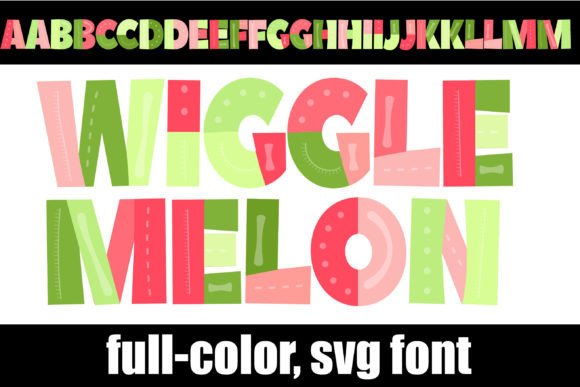
Wigglemelon is a full-color font that brings a whimsical, blocky aesthetic to digital design. With its watermelon-inspired color palette and playful lettering, it adds a unique visual flair to web projects. As a web designer, I find Wigglemelon ideal for creating bold, eye-catching elements that stand out without sacrificing clarity.
The font features multiple design elements that make it perfect for creative typography. Its vibrant colors and structured shapes work well in headers, banners, and other display areas where visual impact is key. Whether you're designing a landing page or a social media graphic, Wigglemelon can help you create a memorable brand presence.
Using Wigglemelon in Web Layouts
Wigglemelon excels in hero sections, call-to-action buttons, and section headings. Its bold style makes it ideal for titles that need to command attention. For example, on a creative portfolio site, using Wigglemelon for the main headline can immediately convey a sense of fun and originality.
In an online boutique, this font can be used for product banners or promotional headlines. The bright, colorful letters draw the eye and make the content more engaging. On a coaching website, it can be used for feature highlights or success stories, adding a touch of personality to the design.
For a course sales page, Wigglemelon can be used in the headline to grab the reader's attention. Pairing it with a clean sans serif font for body copy ensures readability while maintaining a cohesive look. This combination helps guide the user through the content without overwhelming them with too much visual noise.
Readability and Visual Hierarchy
While Wigglemelon is a decorative font, it remains highly readable, especially when used in larger sizes. On mobile screens, it works best for short phrases and headings rather than long paragraphs. When used in small buttons or text overlays, it's important to ensure sufficient contrast against the background.
On dark backgrounds, the light-colored letters of Wigglemelon pop effectively, making it a great choice for dark mode designs. On light backgrounds, the font still holds up well, though it may require some adjustment in spacing or weight to maintain legibility.
When used in image overlays, Wigglemelon adds a dynamic element that complements the visuals. It’s particularly effective in digital ads, where a strong, recognizable font can enhance the message and increase engagement.
Font Pairing and Brand Identity
Pairing Wigglemelon with simpler fonts can create a balanced design. A modern sans serif like Helvetica or Arial works well as a complement, providing a clean contrast to the playful nature of Wigglemelon. For a more editorial feel, pairing it with a serif font like Georgia or Times New Roman can add sophistication while keeping the design visually interesting.
When building a brand identity, using Wigglemelon consistently across different touchpoints helps reinforce recognition. Whether it's for a logo, social media graphics, or a website header, the font's distinct style contributes to a unified and professional appearance.
For digital templates, such as email newsletters or presentation decks, Wigglemelon can be used to highlight key points or add a creative twist to the layout. Its versatility makes it a valuable addition to any designer's toolkit.
Practical Considerations for Web Use
Wigglemelon is available as an OpenType SVG font, which means it can be installed like a regular .otf file. This makes it easy to integrate into design workflows and use across different platforms. However, for web use, it's important to check if the font is available as a webfont format, such as WOFF or WOFF2, to ensure smooth performance on websites.
When purchasing a commercial license, make sure it covers all intended uses, including websites, client projects, and online stores. Some licenses may restrict the use of the font in certain contexts, so it's essential to review the terms carefully before implementation.
Additionally, consider the font's multilingual support if your audience includes non-English speakers. While Wigglemelon is primarily designed for English, its structure may allow for some flexibility in other languages, depending on the specific character set included.
Best Uses for Wigglemelon
Wigglemelon shines in applications where creativity and personality are important. It's ideal for logos, social media posts, and digital ads that require a bold, distinctive look. In a blog header, it can set the tone for the content, making the site feel more engaging and approachable.
For a digital brand kit, using Wigglemelon in key elements like the logo or tagline helps establish a consistent visual language. It also works well in app screens, where a playful yet clear font can enhance the user experience without being distracting.
Overall, Wigglemelon is a versatile and expressive font that adds energy and charm to digital projects. Its unique style makes it a standout choice for designers looking to create memorable and visually appealing web experiences.